
Sourcing wholesale t-shirts is one of the most common needs for apparel businesses, screen printers, and corporate buyers. But not all bulk tees are the same. This guide covers what to look for in fabric quality, sizing, pricing, and supplier reliability.
1. Understanding T-Shirt Fabric Types
Different fabrics serve different purposes. Here are the most common options for wholesale t-shirts:
100% Cotton
Soft, breathable, and comfortable. Ideal for casual wear, retail resale, and screen printing. The main drawback is shrinkage if not pre-shrunk.
Cotton-Polyester Blend (CVC or 50/50)
Combines softness with durability. Less shrinkage than pure cotton. Holds print quality well. A popular choice for team wear and events.
Performance Polyester
Moisture-wicking and quick-drying. Best for gyms, sports teams, and outdoor activities. Not ideal for screen printing but works well with sublimation.
Tri-Blend (Cotton/Poly/Rayon)
Soft, lightweight, and has a vintage feel. Higher cost but popular for boutique and lifestyle brands.
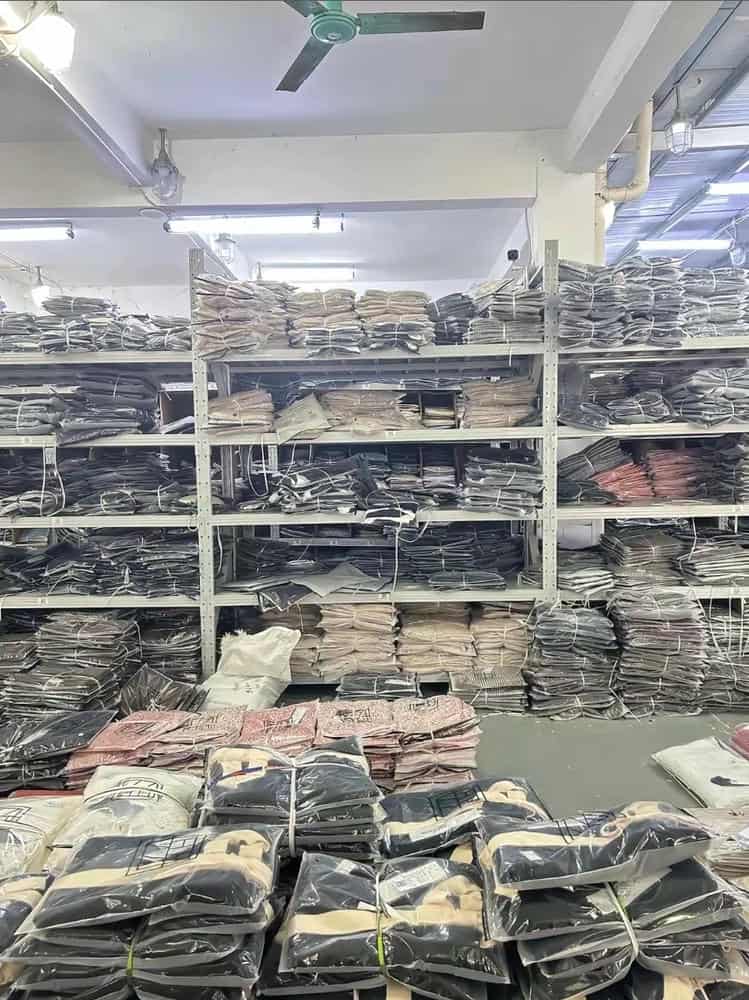
2. What GSM Means for T-Shirt Quality
GSM (grams per square meter) tells you the fabric weight.
| GSM Range | Type | Best For |
|---|---|---|
| 120-140 GSM | Lightweight | Summer wear, undershirts, budget options |
| 150-170 GSM | Mid-weight | Everyday casual wear, all-purpose |
| 180-200 GSM | Heavyweight | Premium feel, winter layering, workwear |
For most wholesale buyers, 150-170 GSM offers the best balance of comfort and durability.
3. Key Quality Checks Before Bulk Order
Before placing a large order, verify these quality indicators:
- Stitching: Look for double-needle stitching on hems and sleeves
- Neck ribbing: Should be tight enough to hold shape after washing
- Shoulder taping: Reinforces the shoulder area, prevents stretching
- Pre-shrinking: Ask if the fabric has been pre-shrunk to avoid size changes
- Color fastness: Dark colors should not bleed or fade after washing
Practical tip: Always order samples from 2-3 suppliers before committing to bulk.
4. Estimated Wholesale Pricing (2026)
Prices vary by quality, quantity, and supplier location. Here are rough estimates for blank t-shirts:
| Order Size | Basic (120-140 GSM) | Standard (150-170 GSM) | Premium (180+ GSM) |
|---|---|---|---|
| 50-100 pcs | $2.50 – $4.00 | $4.00 – $6.00 | $6.00 – $9.00 |
| 100-500 pcs | $2.00 – $3.50 | $3.50 – $5.00 | $5.00 – $8.00 |
| 500+ pcs | $1.50 – $3.00 | $3.00 – $4.50 | $4.50 – $7.00 |
These are estimates for unbranded, mid-quality blank tees. Premium ringspun cotton or tri-blend fabrics cost more.
5. Common T-Shirt Styles to Stock
| Style | Best For |
|---|---|
| Crewneck | Most popular, all-purpose |
| V-neck | Retail, fashion-forward customers |
| Long sleeve | Cooler weather, layering |
| Oversized | Streetwear, youth market |
| Crop top | Women’s fashion, boutique |
6. How to Find Reliable T-Shirt Suppliers
When evaluating wholesale t-shirt suppliers, check:
- MOQ flexibility: Can you start with 50-100 pieces to test quality?
- Bulk tier pricing: Lower per-unit cost at higher quantities?
- Blank or custom: Do they offer blank tees only, or also printing?
- Lead time: How many days from order to shipment?
- Sample policy: Can you order 1-2 samples before bulk?
Recommended supplier platforms:
- Alibaba (Trade Assurance)
- Made-in-China
- Local wholesale markets in Guangzhou, Fujian, and Zhejiang provinces
Final Thoughts
Sourcing wholesale t-shirts comes down to three things: fabric quality, reliable suppliers, and understanding your customer’s needs. Start with small sample orders, test GSM and fit, then scale based on real demand.
Related: Check our [Sourcing Tips] and [Supplier Reviews] for deeper guides on verifying factories and avoiding common pitfalls.